5 Types of online Business to consumer (B2C)
The digital marketplace has revolutionized how people shop, interact, and connect with brands. Today, millions of transactions occur every second through business-to-consumer (B2C) platforms—whether you’re ordering food from your favorite app, streaming your favorite series, or purchasing the latest smartphone online.
At its heart, the Business to consumer model represents the direct relationship between businesses and individual buyers. It’s the foundation of modern eCommerce—simple, fast, and focused on customer experience. What makes it so powerful is its ability to cut out middlemen, personalize the journey, and give customers instant access to products and services with just a click.
As technology continues to evolve, companies use data analytics, artificial intelligence, and user behavior tracking to tailor offerings that perfectly match customer needs. This personalization makes buying more intuitive and emotionally engaging, building stronger loyalty between brands and their audiences.
For a deeper understanding of how online sales models function and how B2C strategies dominate global commerce, read this guide to Business to consumer models — it explores how digital brands successfully connect with modern consumers.
What Exactly Is a Business to Consumer (B2C) Model?
Before diving into the specific types, it’s important to understand what business-to-consumer really means today.
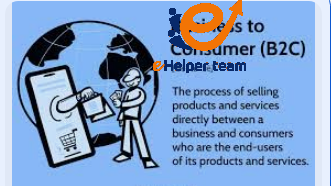
Simply put, it’s the model where businesses sell goods or services directly to individual consumers for personal use. This can happen through:
Company-owned websites
Social media shops
Mobile apps
Marketplaces like Amazon or eBay
The modern business-to-consumer model thrives on three key factors:
Convenience – Customers can make purchases anytime, anywhere.
Speed – Transactions, payments, and deliveries are streamlined.
Personalization – Data-driven marketing creates tailored experiences for every customer.
This model contrasts with B2B (Business to Business), where transactions occur between two companies. In B2C, the emotional and instant nature of buying plays a stronger role — consumers act on impulse, brand reputation, and trust.
Technologies like AI and data analytics now make it possible to predict customer preferences, personalize recommendations, and provide seamless checkout processes.
To see how B2C fits into the bigger picture of eCommerce, check this guide on eCommerce types. It compares various business models and shows how digital selling has evolved.
5 Types of online Business-to-Consumer (B2C)
Type 1 – Direct Sellers: The Foundation of Online Retail
Direct selling is the oldest and most dominant Business to consumer model. In this approach, companies sell their products directly to the end user without involving intermediaries.
Examples of Direct Selling
Apple Store – Sells its own products exclusively through physical and online stores.
Nike.com – Offers personalized shoes, apparel, and promotions directly from the manufacturer.
Amazon – Although also a marketplace, it runs a massive direct-selling operation through its private brands.
Why Direct Sellers Thrive
Brand control: Companies maintain control over pricing, design, and communication.
Higher profit margins: By eliminating third-party commissions.
Customer loyalty: Direct engagement leads to stronger brand trust.
Instant feedback loops: Companies can quickly respond to customer reviews and improve products.
This model is ideal for businesses that value brand image and want to control every step of the customer journey. It’s also the best fit for companies that produce exclusive or custom-made products.
From an SEO and marketing perspective, direct sellers often invest in:
Content marketing (blogs, tutorials, and videos)
Influencer partnerships to increase reach
Email and remarketing campaigns for retention
For a deeper breakdown of how direct selling compares to other online formats, you can explore this article on online shopping vs. e-commerce types. It clearly shows where direct sellers stand in the online ecosystem.
Type 2 – Online Intermediaries: The Marketplaces Connecting the World
Online intermediaries are platforms that connect sellers and buyers instead of selling products themselves. They are the digital bridge between businesses and consumers — a model that has transformed eCommerce accessibility worldwide.
Common Examples of Online Intermediaries
Etsy: For handmade or vintage goods.
eBay: Auctions and consumer-to-consumer sales.
AliExpress: Connects global sellers with international buyers.
These platforms make it easy for small or independent sellers to reach a global audience without needing a personal website or marketing team.
Benefits of This Model
Accessibility: Anyone can start selling online quickly.
Trust: Platforms ensure secure payments and dispute resolution.
Variety: Consumers enjoy wide product choices and competitive pricing.
However, the downside for sellers is competition. Many sellers offer similar products, so differentiation through branding, reviews, and service is essential.
For businesses that combine direct selling with marketplace listings, the exposure doubles — boosting both credibility and sales.
To learn how these intermediary platforms connect with modern eCommerce systems, explore this post about digital sales integration and eCommerce evolution. It offers insight into how online businesses adapt within interconnected ecosystems.
Type 3 – Advertising-Based B2C: Monetizing Attention
The advertising-based Business to consumer model is built on free content monetized through advertisements. Consumers don’t pay with money—they pay with attention and engagement.
Key Platforms Using This Model
YouTube: Offers free videos supported by ads.
Facebook and Instagram: Generate billions through targeted ads.
News and blog websites: Rely on ad impressions and sponsorships.
How It Works
Platforms attract a large audience with free content.
Advertisers pay to display ads to specific demographics.
Revenue grows with higher traffic and user engagement.
This model benefits both consumers and businesses:
Consumers access free content.
Advertisers gain visibility and audience targeting.
Platforms earn income while expanding user bases.
However, challenges include maintaining user trust and avoiding ad overload, which can hurt engagement. Successful companies strike a balance—offering valuable content while integrating ads naturally.
Type 4 – Community-Based B2C: Building Loyalty Through Shared Interests
In a world where consumers crave connection, community-based Business to consumer models have become essential for brands that want to build long-term loyalty. Rather than simply selling products, these businesses focus on creating shared experiences that unite people around a common passion or goal.
How This Model Works
Community-based B2C businesses build online or offline spaces where consumers can:
Interact and share opinions about products or topics.
Contribute to discussions that influence brand direction.
Receive exclusive benefits such as early product launches or insider updates.
This model thrives because people trust the recommendations and reviews of others within their community far more than paid advertising.
Key Features of Community-Based B2C
User engagement: Brands encourage conversations that strengthen trust.
Feedback loop: Real-time insights help improve products.
Loyalty programs: Members often gain access to rewards or personalized offers.
Organic marketing: Word-of-mouth spreads naturally within the community.
Examples of Successful Application
Online forums for technology enthusiasts.
Fitness or lifestyle apps that build social motivation.
Skincare brands with loyal social media groups discussing results and routines.
The community-based Business to consumer model doesn’t just sell—it nurtures relationships. Customers become active participants, not just passive buyers.
To understand how this form of engagement connects to larger eCommerce strategies, explore this insightful resource on digital commerce integration and connected sales models, which highlights how communities strengthen overall business ecosystems.
Type 5 – Fee-Based B2C: The Subscription Economy Revolution
The fee-based Business to consumer model—commonly known as the subscription model—has changed how consumers pay for products and services. Instead of one-time purchases, customers subscribe for continuous access to premium features, content, or benefits.
Why the Subscription Model Works
Convenience: Customers don’t need to repeatedly buy the same product.
Consistency: Businesses enjoy predictable, recurring revenue.
Customer retention: Subscriptions create long-term relationships.
This approach covers a wide range of industries:
Digital streaming services (music, video, learning).
Software platforms offering tiered memberships.
Subscription boxes for food, fashion, and wellness.
Advantages of Fee-Based B2C
Steady income flow ensures financial stability.
Stronger relationships with customers who stay longer.
Opportunity for personalization—brands can use data from subscribers to tailor experiences.
Scalability—once the system is in place, serving more customers doesn’t require major added costs.
Challenges
However, maintaining value is critical. If customers feel they’re paying for features they don’t use, they’ll cancel quickly.
To succeed, businesses must:
Offer continuous innovation.
Improve service quality.
Provide meaningful, exclusive benefits.
The fee-based Business to consumer model turns satisfaction into loyalty, transforming occasional buyers into consistent brand supporters.
Why B2C Models Dominate the Modern Market
The dominance of Business to consumer commerce is no accident—it’s built on simplicity, accessibility, and emotional connection.
Reasons for B2C Success
Instant access: Customers can buy or subscribe in seconds.
Personalized experiences: Data-driven insights help deliver tailored recommendations.
Global scale: Even small businesses can reach international audiences.
Social proof: Reviews and testimonials enhance credibility.
Mobile-first convenience: Apps and websites optimized for smartphones keep customers constantly connected.
Emerging Trends in B2C
Voice-assisted shopping: Smart devices make online buying easier.
Sustainability focus: Ethical products drive more loyalty.
AI-driven recommendations: Artificial intelligence personalizes every experience.
Augmented reality previews: Try-before-you-buy experiences increase trust.
Omnichannel marketing: Consistency across all touchpoints—from websites to physical stores.
The Business to consumer landscape will continue to evolve, adapting to technological innovations and shifting customer behaviors. Companies that stay agile, authentic, and customer-centered will dominate the next era of digital commerce.
Frequently Asked Questions (FAQs) about Business to Consumer (B2C)
1. What does Business to consumer mean?
It’s a model where companies sell products or services directly to individual customers for personal use, bypassing intermediaries.
2. How does B2C differ from B2B?
B2C targets everyday consumers, while B2B focuses on selling to other businesses or organizations.
3. What are the five main types of B2C models?
The five key types are:
Direct sellers
Online intermediaries
Advertising-based
Community-based
Fee-based
4. Which B2C model is most common?
Direct selling remains the most popular, especially through brand-owned eCommerce websites.
5. Why is customer experience critical in B2C?
Because consumers make decisions emotionally, positive experiences increase satisfaction and retention.
6. How can small businesses benefit from B2C models?
By using digital tools, social media, and marketplaces to reach broader audiences without large budgets.
7. What role does personalization play in B2C?
It helps brands understand consumer behavior, offer relevant products, and build stronger emotional connections.
8. How do community-based models boost brand trust?
They create spaces for interaction and shared values, turning customers into advocates.
9. Are subscription models profitable in the long term?
Yes, when combined with innovation and customer engagement, they generate stable, recurring income.
10. What is the future of B2C eCommerce?
Automation, data-driven marketing, and immersive technologies will make B2C even more personalized and efficient.
Conclusion
The Business to consumer model lies at the core of the global digital economy. It enables brands to connect directly with individuals, creating experiences that go beyond transactions.
Whether it’s a direct-seller brand, a community-based company, or a subscription service, success in the B2C world depends on understanding customer needs and staying adaptable to change.
In the coming years, businesses that combine innovation, personalization, and authenticity will not only survive but thrive. The secret is simple: put the customer first, and the business will follow.